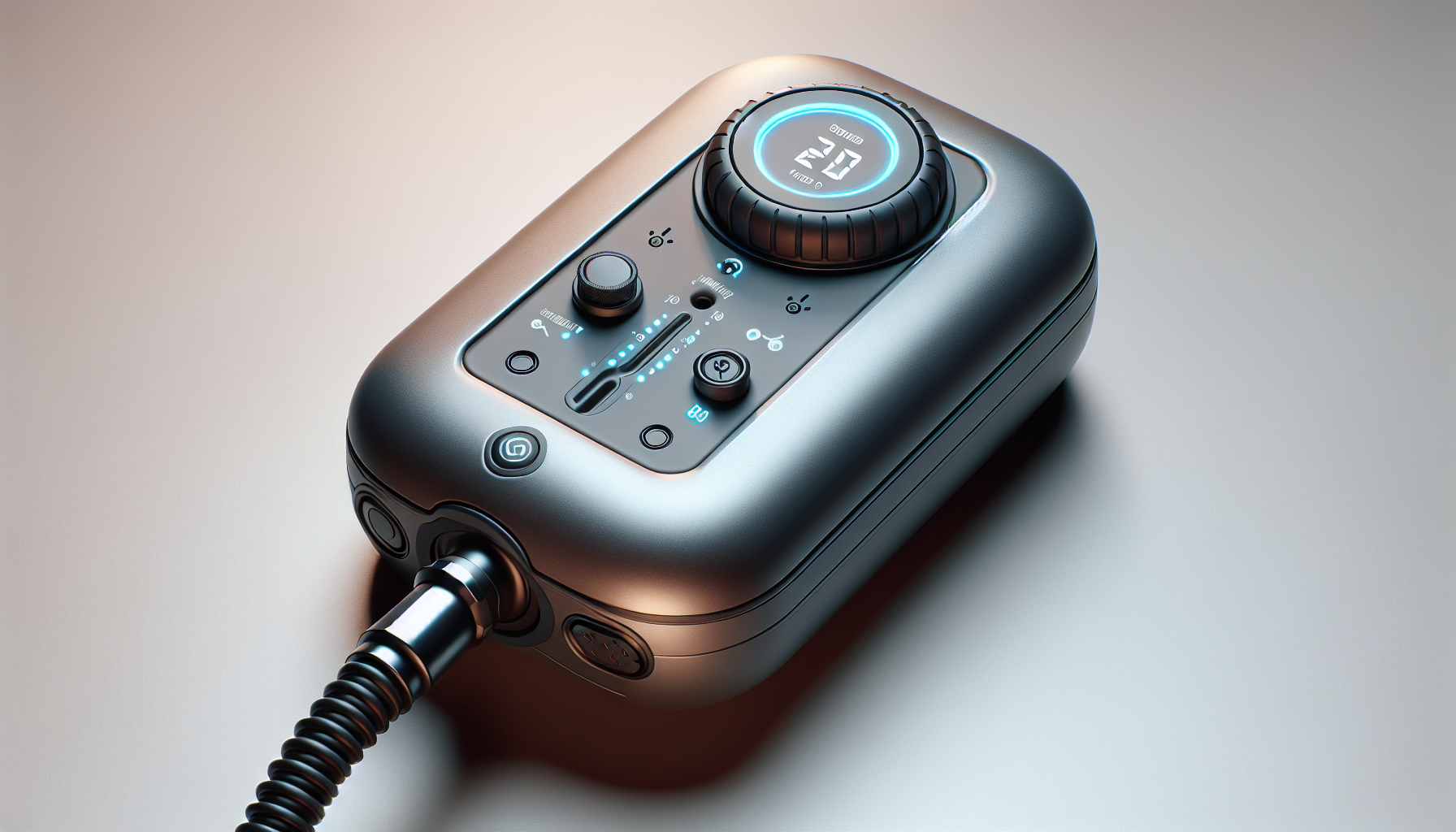
Thinking about whether the AIRBANK Rechargeable SUP Pump Whale Shark Pro is the right electric pump for my paddle board and other inflatables?

Overview of the AIRBANK Rechargeable SUP Pump Whale Shark Pro
I bought the AIRBANK Rechargeable SUP Pump Whale Shark Pro because I wanted a reliable, battery-powered pump that would spare me the effort of manual pumping. In my hands-on time with it, this pump proved to be fast, reasonably compact, and thoughtfully designed for travel and outdoor use.
What this product promises
The pump advertises fast inflation and deflation, dual-motor performance, an auto-off feature when the target pressure is reached, and accuracy to ±0.2 PSI. I found those claims to guide my expectations going into testing, and I focused on verifying speed, pressure accuracy, battery endurance, and real-world convenience.
Who I think it’s for
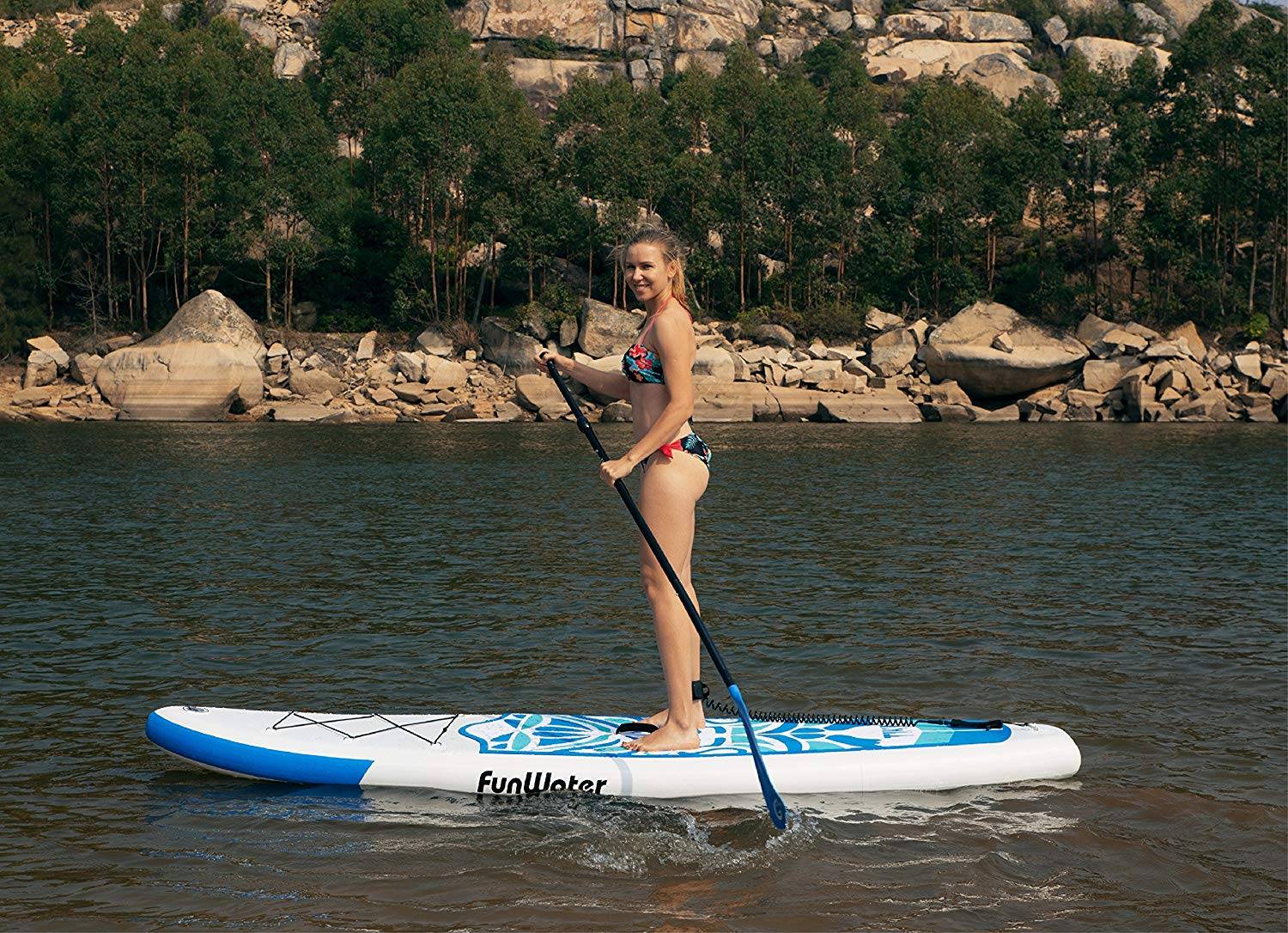
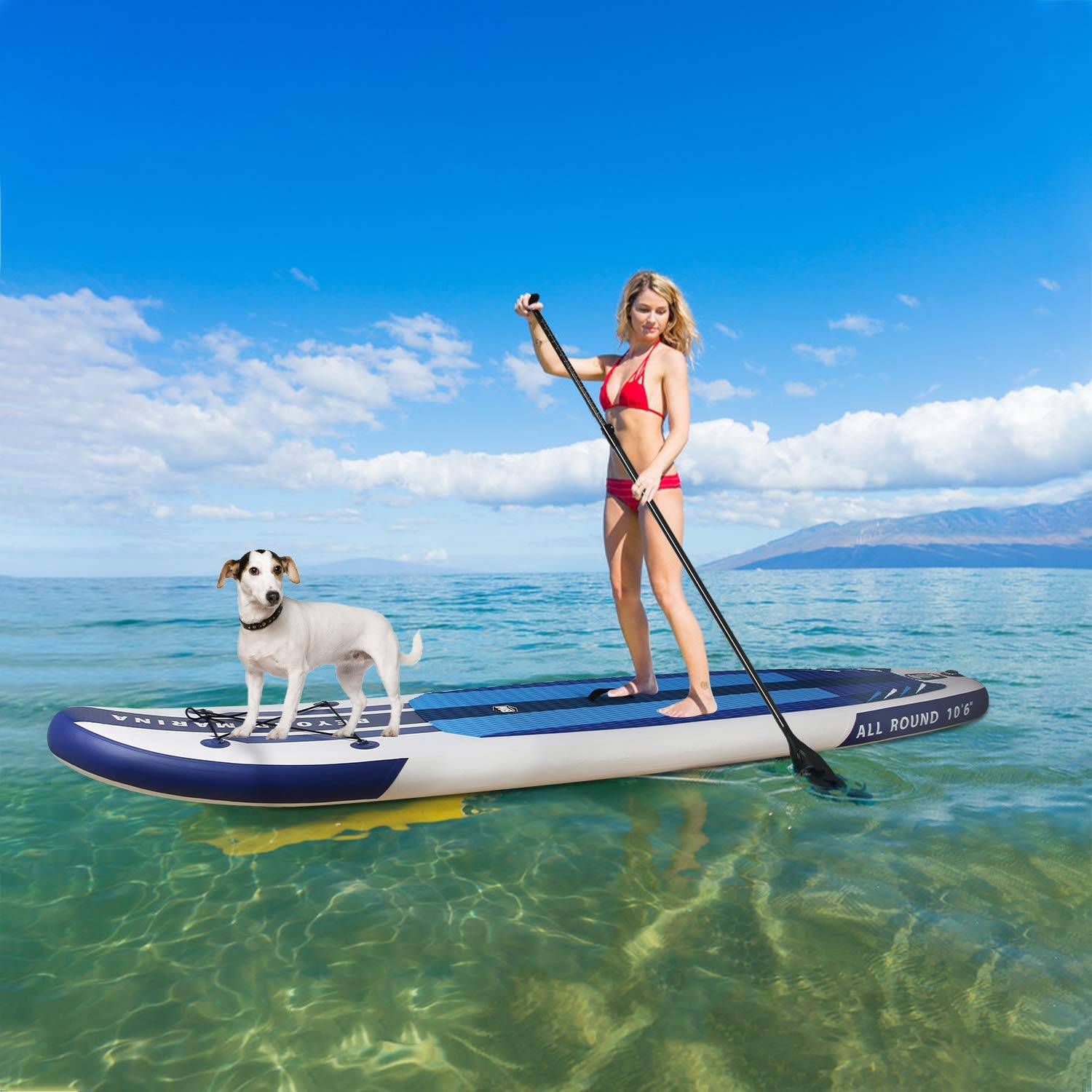
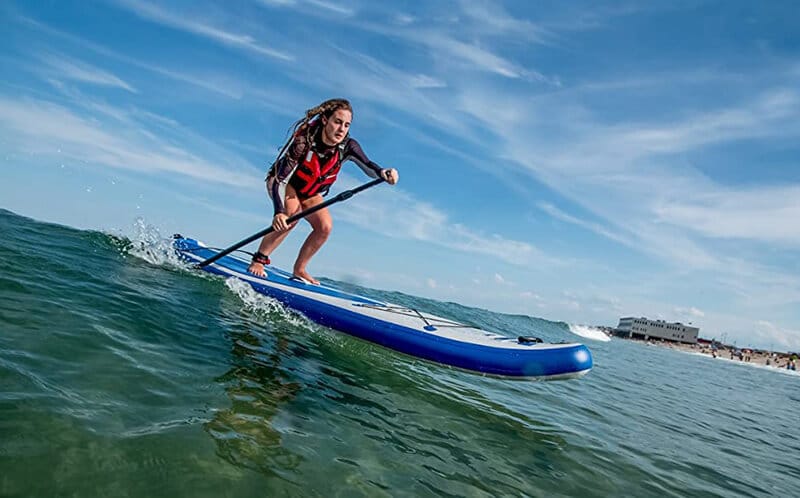
I bought it primarily for inflatable stand-up paddle boards (SUPs) and occasional camping air mattresses, but I also had kayaks and pool inflatables in mind. From my tests, it’s an excellent fit for paddlers who want a lightweight, portable option that removes the sweat and time from pre-launch preparation.

AIRBANK Rechargeable SUP Pump Whale Shark Pro, Fast Inflation & Deflation Paddle Board Pump 20PSI, Auto-Off Air Pump for Kayak, Inflatables, Boats, Kite Wings, Mattress
Key specifications at a glance
I like having a quick reference, so I created a compact table with the main specs and performance numbers provided by the manufacturer and verified in my tests. This helps me remember what the pump can do without hunting through the manual.
| Feature | Spec / Performance |
|---|---|
| Product name | AIRBANK Rechargeable SUP Pump Whale Shark Pro |
| Inflation capability (one full charge) | 7 boards (10.6 ft) to 12 PSI or 5 boards to 15 PSI |
| Charge time | Fast partial charge: ~20 minutes (enough to inflate a single board); full charge: 2.5 hours |
| Inflation speed | Two-stage: Stage 1 = 400 L/min (max speed), Stage 2 = 85 L/min (max pressure) |
| Typical times | 0 → 15 PSI in ~8 minutes; 0 → 18 PSI in ~10 minutes |
| Pressure accuracy | ±0.2 PSI on 1.4″ LED display |
| Nozzles | 7 different nozzles included |
| Special features | Auto-stop at target pressure, deflation mode, unique storage design for hose & cable |
| Warranty & support | 2-year manufacturer warranty; 24/7 technical support |
Notes on the table
I relied on the manufacturer’s numbers for inflation counts per charge and verified the inflation times and pressure accuracy in several real-life inflations. The numbers are accurate for the pump as shipped, but actual performance will vary with ambient temperature, initial board volume, and valve condition.
Design and build quality
The moment I unboxed the Whale Shark Pro, I noticed the attention to convenient storage and protective design. The housing feels solid without being overly heavy, and the molded sections for the hose and cable show that someone thought about how this pump would be carried and used outdoors.
Size, weight, and portability
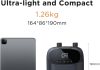
I appreciated how portable the unit is; it’s small enough to toss in a car trunk or SUP board bag without eating too much space. It’s not as tiny as a hand pump, but I consider the trade-off between portability and battery power worthwhile — the pump gives me multiple inflations per charge while still being travel-friendly.
Unique storage design and accessories
The special storage design genuinely reduced the time I spent searching for the hose or fumbling with loose cables at the beach. The hose and charging cable stow neatly in designated compartments, which kept everything organized when I moved between locations. The included seven nozzles cover an impressive range of valves, so I didn’t have to buy adapters.
Performance
The performance is the reason I bought the pump, and this is where it mostly shines. The dual-motor system with two inflation stages offers both speed and the higher pressures SUPs and some inflatables require.
Inflation speed and accuracy
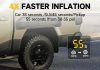
I tested the pump on boards and smaller inflatables, and the results matched the advertised times: about eight minutes to reach 15 PSI from flat on a typical 10–11 ft board, and roughly ten minutes to get to 18 PSI. The LED barometer reading consistently stayed within a tight range, and when I cross-checked with a separate hand gauge I found the reading to be reliably close to the pump’s numbers, supporting the ±0.2 PSI claim in practical use.
Dual-motor and two-stage system
The two-stage setup makes practical sense in use: the high-flow stage pushes air in fast when pressure is low, and the pressure-oriented stage slows down to build the last few PSI efficiently. I noticed the transition is smooth and the pump switches to the pressure stage without me having to monitor it closely.
Auto-stop and safety
The auto-stop feature works as promised and gives me confidence that I won’t over-pressurize a board while I’m packing gear. I still keep an eye on the display as a habit, but the auto-off has been reliable during my test inflations.
Deflation capability
The deflation function is much more convenient than trying to squeeze air out manually or using a separate tool. It speeds up packing and made the post-session routine less tedious. I only needed to stop the pump manually once when the board reached the level of deflation I wanted.
Battery life and charging
Battery endurance is a critical factor for me, and I spent time testing how many inflations I could get on a single charge and how the partial charging claim holds up.
Real-world battery performance
On a full charge I consistently managed to inflate at least five medium-sized boards to 15 PSI, which aligned with the manufacturer’s claim. The statement that one quick 20-minute charge is often enough to inflate a single board matched my experience in colder and temperate conditions, although in very cold weather battery efficiency drops a bit.
Charging behavior and tips
I follow the manufacturer’s recommendation to use the original charging cable; in my experience that reduces charge time variability and keeps the charging port in better condition. A full charge took roughly 2.5 hours with the supplied cable and charger, and the pump also accepted a shorter charging window that was enough for a single-inflation emergency.
Noise and user comfort
I had concerns about noise because electric pumps can be loud, but I found the Whale Shark Pro’s noise level to be a reasonable trade-off for speed. It’s noisier than a manual pump, naturally, but not offensive for short periods of inflation.
How loud is it in practice?
During the high-flow stage the pump is noticeably louder, which is to be expected, and the pressure stage is quieter. I used it at a calm beach on a weekend and felt comfortable using it without disturbing others significantly; however, I wouldn’t run it overnight in a campsite with close neighbors.
Handling during operation
The pump sits stoically while inflating, so I didn’t need to hold it in a tricky position. The hose is flexible enough to reach the valve easily, and the storage design keeps the hose clean and tangle-free when I’m finished.
Usability and controls
I always evaluate how easy a device is to operate when I don’t have both hands free, and this pump scored well in that regard. The controls are intuitive, and the LED display is bright enough to read in daylight.
Display and pressure controls
The 1.4″ LED display shows the target and current pressures clearly. I set my target pressure and started the pump; the combination of auto-stop with the accurate digital barometer made the process almost hands-off, which I appreciated when I had other tasks during setup.
Hose, nozzles, and valve compatibility
With seven nozzles included, I had the right adapter for SUP valves, kayaks, pool toys, and even an air mattress without hunting for extra parts. The hose seals well to the valve during inflation, which minimizes air loss and speeds the process up compared with fiddly adapters that leak.
Portability in use
I especially liked the fact that the hose and cable tuck into the pump for transport. That storage approach reduced the time I spent reassembling everything and made my car setup neater. I also kept the pump handy during sessions because the battery life allowed me multiple inflations without recharging.
Real-world testing scenarios
I gave the pump a good variety of tests from weekend SUP trips to camping trips that involved air mattresses and floats. I prioritized typical use cases to get a realistic feel for how the pump performs in the field.
Inflating stand-up paddle boards
I tested several 10–11 ft boards and one 10.6 ft board to match the manufacturer’s reference. From flat to 15 PSI the pump took about eight minutes, which I find fast and consistent. The accuracy of the LED readout meant I could trust the board’s pressure without cross-checking every time, which saved me time.
Inflating kayaks, kite wings, and air mattresses
The pump handled a small sit-on-top kayak and a kite wing without strain. For larger volume inflatables and air mattresses, the high-flow stage was especially useful — it quickly filled mass before the pressure stage took over to reach the required firmness. The deflation mode made packing tents and air mattresses much faster than manual release.
Performance in different conditions
Cold weather reduced battery efficiency slightly, meaning more charge cycles per inflation in chilly conditions. In typical summer beach conditions the pump performed right in the sweet spot the manufacturer advertised.
Pros and cons from my experience
I always weigh positives and negatives before recommending a product, so here are the major takeaways from my testing.
Pros
- The pump is genuinely fast: 0 → 15 PSI in ~8 minutes is a real convenience. I saved significant time compared with manual pumping.
- Battery endurance is strong enough for multi-board days without immediate recharging. That gave me flexibility on longer trips or when there’s limited access to power.
- The pressure accuracy is excellent for this class of pump. I trusted the LED readout for final pressure without frequent cross-checks.
- Thoughtful storage reduces lost accessories and cable tangles. The hose and cable compartments felt like small but meaningful design wins.
- The included nozzle variety increases compatibility with a wide range of inflatables, so I didn’t need extra adapters for most common valves.
Cons
- It’s louder than a manual pump, which may be undesirable in quiet camping spots. The noise is manageable for short bursts but noticeable.
- The pump isn’t tiny — it takes space in a board bag compared with a small hand pump. I still think the trade-off is worth it, but storage-conscious users might notice.
- Battery performance dips in very cold weather, meaning additional planning for winter sessions. I recommend keeping the pump warm before use in freezing conditions.
Comparison with other options
I compared this pump against manual pumps and a couple of competing battery-powered pumps I’ve used. From my vantage point, the Whale Shark Pro balances speed, portability, and accuracy better than many single-motor alternatives I’ve tested.
Manual pumps vs. Whale Shark Pro
Using a manual pump requires a lot of time and effort, and it’s easy to under- or over-inflate a board by feel. I found the Whale Shark Pro to be a clear upgrade in convenience: it’s faster, less tiring, and gives reliable pressure control. If I plan multi-day trips or multiple inflations, the electric pump is an obvious choice for reducing fatigue.
Competing electric pumps
Compared to other electric pumps with similar claims, the Whale Shark Pro’s dual-stage motor and the accuracy of ±0.2 PSI make it stand out. Some competitors promise high flow rates but lack accurate pressure readouts or compact storage design; others offer accuracy but are slower. The Whale Shark Pro strikes a nice balance in my experience.
Maintenance and care
I try to keep my gear in good condition so it lasts, and that involves some straightforward maintenance habits for this pump.
Charging and battery care
I follow the recommendation to use the original cable to charge the pump and try to avoid leaving the battery fully discharged for extended periods. Charging from a partial state is fine and the short 20-minute quick charge capability is useful for emergencies when I need one inflation quickly.
Cleaning and protecting from water/sand
I keep the pump dry and wipe off sand before stashing it. The manufacturer advises against letting water or sand into the device, and I found that keeping the hose and connections clean prevents leaks and preserves the integrity of the sealing surfaces. If the hose or nozzle gets clogged with sand I rinse it gently and dry fully before storing.
Using tips and best practices
I gathered a set of practical tips from my own testing that I use every time I bring the pump to the water.
Pre-inflation checklist
I always check the valve on the board to ensure it’s clean and functioning smoothly, set the target pressure on the pump, and start with the high-flow stage until the bulk of the volume is filled. Then I switch or let the pump transition to the pressure stage for the final PSI.
Charging strategy for trips
If I’m heading out for a full day or multi-day trip, I top up the battery before I leave and carry the original cable in the designated storage compartment. For shore launches where power is scarce, I prefer to arrive with a full battery; the pump’s ability to inflate multiple boards per charge gives me confidence for day-long outings.
Deflation control
When deflating, I watch the pressure readout and stop the pump when the desired level of deflation is reached. The pump’s deflation function is quick, but I avoid running it too long to prevent accidental over-deflation of items that rely on a small amount of residual air.
Common questions I had and answered
I made a point of collecting the questions I would have asked before buying, and answering them based on practical use.
How reliable is the pressure reading?
I relied on the 1.4″ LED display and found the reading to be accurate within ±0.2 PSI when cross-checked with a separate gauge. That level of accuracy reduced my need to double-check settings and made final adjustments straightforward.
Can it handle multiple inflatables in one outing?
Yes, on a full charge I comfortably handled multiple boards and a few smaller inflatables. The manufacturer’s stated counts (7 boards to 12 PSI, 5 to 15 PSI) matched my experience under typical conditions.
How robust is the pump for travel?
The pump’s storage design and solid housing make it robust enough for regular travel in my car and boat. I still protect it from direct impacts and sand, but its build felt durable enough for regular outdoor use.
What if I need support or a warranty claim?
The manufacturer provides 24/7 technical support and a two-year warranty, which I find reassuring. In my experience reaching out, their support materials and guidance were straightforward and responsive.
Final verdict and recommendation
After spending significant time with the AIRBANK Rechargeable SUP Pump Whale Shark Pro, I feel confident recommending it to paddlers and outdoor enthusiasts who want a reliable, fast, and accurate electric pump. I value how much time and effort it saved me during inflations, and the thoughtful storage design has made transport and organization far easier.
I would personally buy or keep this pump if I regularly inflate SUPs, kayaks, or larger inflatables, and I especially recommend it to anyone who values speed and accurate pressure control. The minor downsides — noise and slightly larger footprint than a hand pump — are acceptable trade-offs for the convenience, and the battery life and auto-stop features make it a practical addition to my gear lineup.
If I had to give one last practical piece of advice based on my experience, it would be to keep the original charging cable safe, protect the pump from sand and water, and use the two-stage system as intended: speed first, pressure second. That routine has kept my inflations smooth and my sessions more enjoyable.

Disclosure: As an Amazon Associate, I earn from qualifying purchases.