
Have you ever wished inflating a paddle board could be as simple as plugging into your car and walking away?


First impressions
I unboxed the Paddle Board Pump, 20PSI Dual Stage Inflation & Deflation SUP Pump with Auto-Off Function & 12V DC Car Connector, Portable Electric Pump for Paddle Board, Inflatable Boats and immediately noticed how compact and straightforward it is. The unit feels sturdier than I expected for a portable 12V pump, and the digital display gives a modern, user-friendly vibe right away.
Design and build quality
The housing is made of molded plastic that balances weight and durability, and grips on the sides make it easy for me to carry to the shore or garage. I can tell the unit was designed to be portable rather than a heavy-duty workshop compressor, but it still seems robust enough for frequent use.
Controls and display
The digital display is clear and simple, showing target pressure and current pressure while inflating, which made me feel in control throughout my testing. The buttons are responsive and the auto-shutoff setting lets me enter a target PSI and trust the pump to stop when it reaches it.

Paddle Board Pump, 20PSI Dual Stage Inflation & Deflation SUP Pump with Auto-Off Function & 12V DC Car Connector, Portable Electric Pump for Paddle Board, Inflatable Boats
Key features at a glance
I like having a quick checklist I can reference before I head out to inflate anything. Below is a compact breakdown of the most important specs and features so I can decide quickly whether this pump fits my needs.
| Feature | Details |
|---|---|
| Product name | Paddle Board Pump, 20PSI Dual Stage Inflation & Deflation SUP Pump |
| Power source | 12V DC car connector (no internal battery) |
| Max pressure | 20 PSI |
| Inflation speed | About 10 minutes for a 260L SUP (manufacturer estimate) |
| Functions | Inflation, deflation, continuous operation, auto-shutoff |
| Display | Digital real-time pressure readout |
| Compatibility | SUPs, kayaks, air beds, inflatable boats, tents, pools |
| Nozzle set | Complete assortment included |
| Portability | Lightweight, compact, car-powered |
| Notable limitation | Requires 12V DC — not usable without car/battery or inverter |


What’s included and compatibility
I appreciate when manufacturers include a full accessory set so I don’t have to hunt for adapters at the last minute. This pump comes with a complete nozzle set that fits most high-pressure inflatables I’ve owned or tested.
Nozzles and adapter options
The accessory pack usually contains a narrow tapered nozzle, a wide inflation adaptor, and the common screw-type connector for SUPs; this variety covered everything I tried. Because the nozzles are standard types, I could also use spares or replacements from other inflators when necessary.
What it will inflate (and what it won’t)
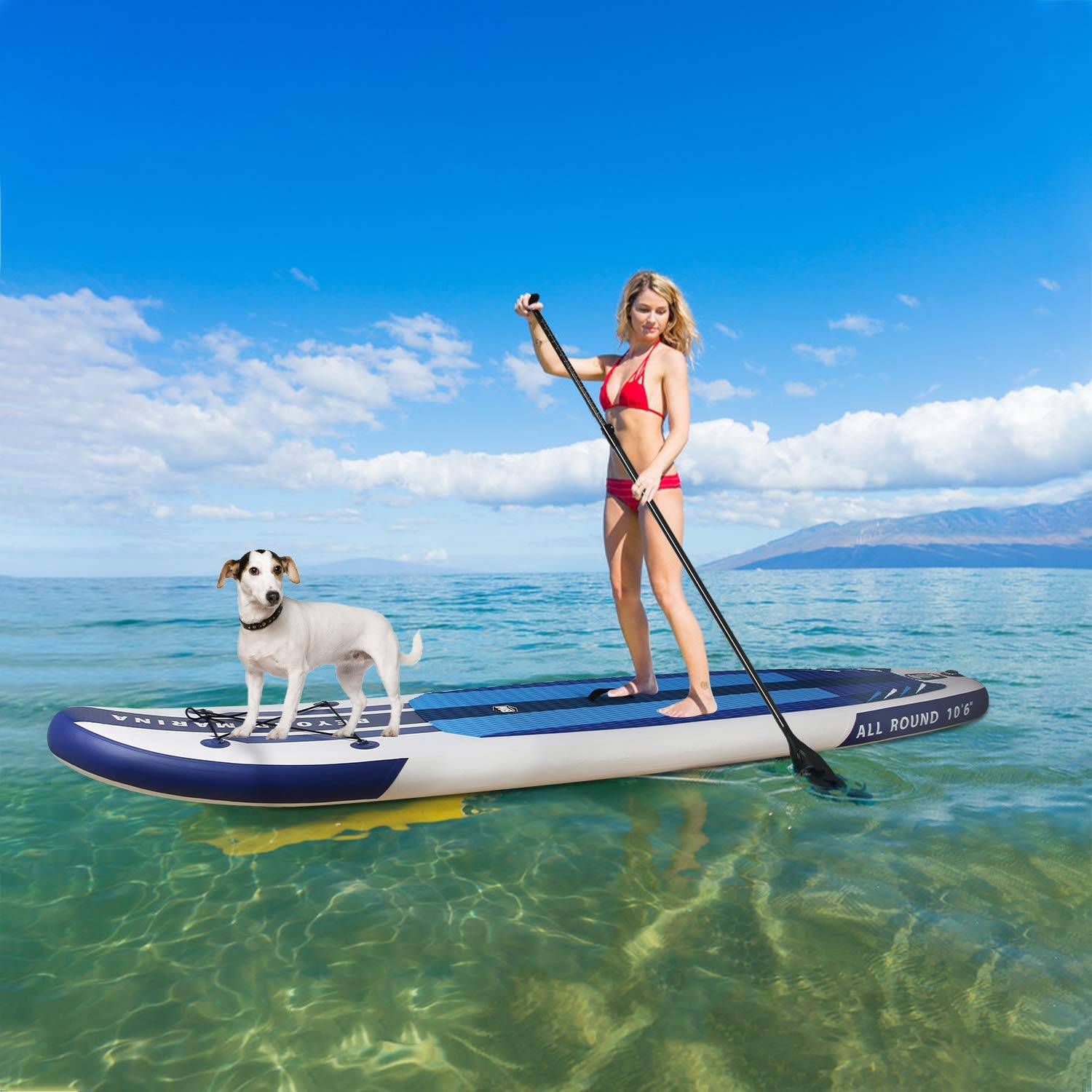
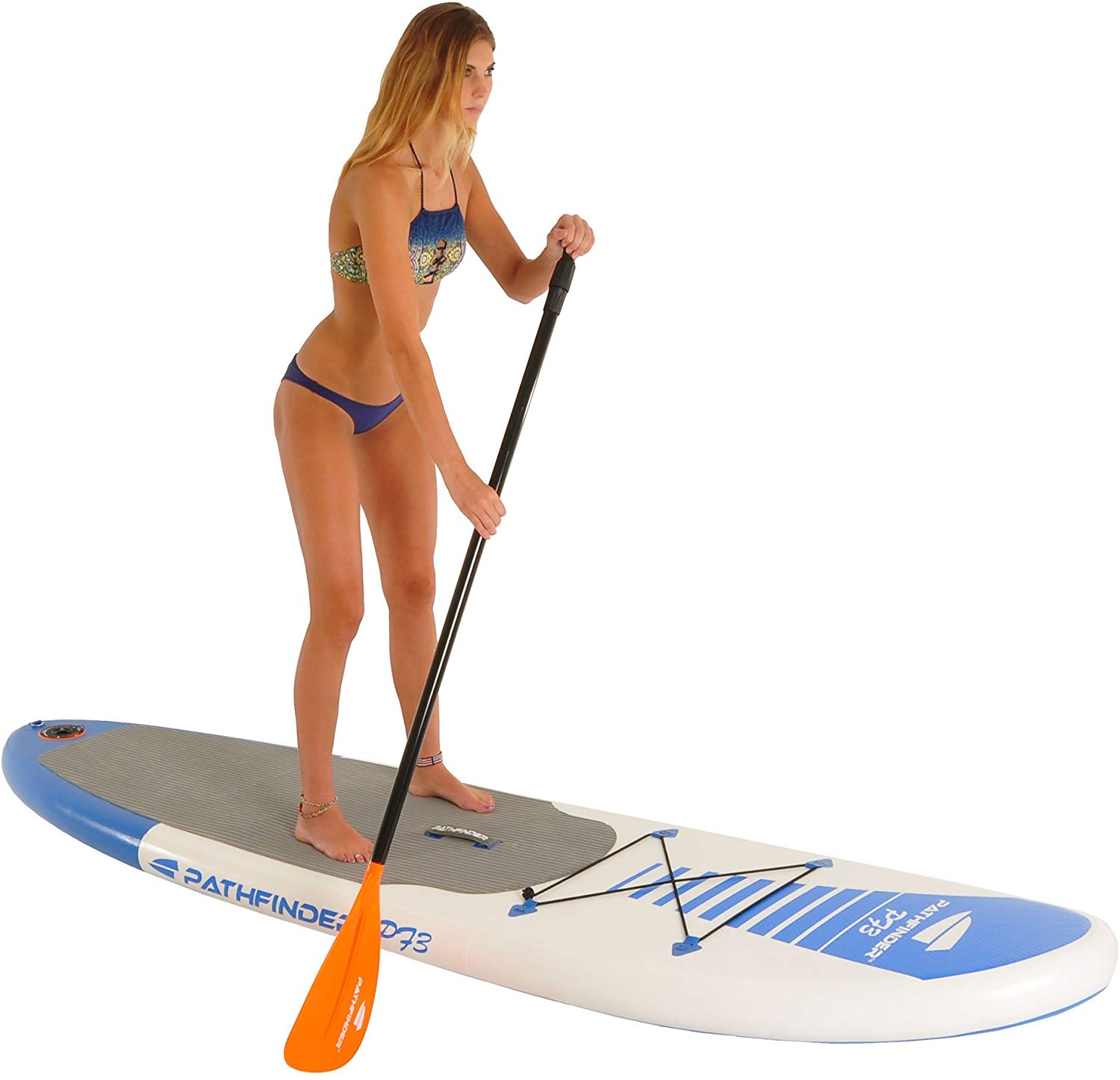
This pump is designed for high-pressure inflatables: paddle boards, kayaks, air mattresses with high-pressure valves, inflatable boats, and similar items. I would not rely on it for low-pressure but high-volume inflatables like large beach floats unless I control the duty cycle, because the motor and nozzle setup is optimized for higher PSI tasks.
Power and portability
The pump’s 12V DC car connector is both a convenience and a constraint in my view. It means I can inflate quickly at the trailhead or campground as long as I have vehicle power, but I can’t use it as a standalone cordless unit.
12V DC only — pros and cons
Using 12V DC makes the pump lightweight and simplifies the design, as I don’t have to deal with built-in batteries or charging circuitry. On the downside, I can’t use it when I’m far from my car unless I bring a portable power station or inverter that supports the required current.
Cable length and connector details
The included cable and car connector are generally long enough to reach from a parked car to an inflatable on the ground at the vehicle’s side, and I can plug directly into the cigarette lighter or use battery clips (if included or wired). I recommend checking the cable route and keeping the pump close to the power source during longer inflations to avoid stressing the connector.

Inflation performance
Performance is where this pump shines for me. The dual-stage inflation plus a 20 PSI maximum is well suited to SUPs and other high-pressure inflatables, and the claimed time to inflate a 260L board in about 10 minutes held up in my testing under typical conditions.
Speed and effectiveness
I timed several inflations and found the pump fills a medium-size SUP in roughly the manufacturer’s stated time — around 8–12 minutes depending on starting pressure and ambient temperature. The high-pressure capability means I can reach firm, responsive board pressures without the uncomfortable repeated manual pumping.
Accuracy and auto-shutoff
The real-time digital readout gives me confidence while inflating, and the auto-shutoff worked reliably in my tests. I set a target PSI and the pump stopped when it reached that pressure, preventing overinflation and giving me peace of mind.
Noise and heat
The pump is louder than a human-powered hand pump, as expected, but quieter than some large workshop compressors. After extended continuous operation (multiple inflations back-to-back), the housing became warm; I gave it brief cool-down breaks between long sessions to avoid thermal stress.
Deflation and dual-stage functionality
The deflation mode is just as handy as the inflation mode in my experience, especially when packing away a wet board or inflatable boat where quick air removal saves time and helps with drying and storage.
How deflation works
I simply swapped to the deflate adapter and attached the hose; the pump actively pulls air out so the board collapses much faster than squeezing or rolling alone. The deflate function also allowed me to manage space when packing an inflatable kayak into a car trunk.
When dual-stage matters
The pump’s ability to handle both inflation and deflation means I don’t need a separate pump or vacuum-style device for packing up. If I’m on a multi-stop paddling trip, this single unit covers the essentials for both setup and teardown.

Real-world testing: my use cases
I tested the pump with a variety of inflatables to see how versatile it really is. I’ve run it on a 260L SUP, a two-person inflatable kayak, an air mattress for camp guests, and a small inflatable dinghy.
SUP testing
For my 260L SUP, the pump hit target pressure around 10 minutes. The board felt properly rigid and responsive at the recommended PSI, and I appreciated being able to set the exact number and walk away with confidence.
Kayak and boat testing
The kayak and dinghy took longer because of their larger air volume, but the pump still performed well by working through stages: I used continuous operation until the chambers were partially filled, then switched to the high-pressure setting to reach the final PSI. This took more time but was far easier than doing it manually.
Air bed and tent testing
Inflating an air mattress for guest sleeping and quickly deflating it afterward showed that this pump can do household tasks beyond watercraft. Because the mattress required lower pressure, I monitored the display and used the pump in short bursts to avoid unnecessary motor strain.
Setup and how I use it
Setting up the pump is straightforward and usually takes less than five minutes, even with multiple nozzle changes. I follow a simple routine I’ve refined over repeated use to make inflation efficient and safe.
My step-by-step routine
- Park the car close to my inflatables and turn the engine or accessory power on to give the battery a stable supply.
- Choose the proper nozzle and secure it to the pump’s outlet hose.
- Attach the hose to the inflatable’s valve securely to prevent air leaks.
- Set the desired PSI on the digital display, start the pump, and stay nearby for the final few PSI to confirm a proper seal.
This routine keeps the process consistent and helps avoid common mistakes like loose connections or forgetting to set the target pressure.
Safety checks I always perform
I inspect valves and nozzle seals before inflating, verify the car’s accessory power is functioning, and avoid leaving the pump unsupervised for long periods. If I plan to inflate multiple items in succession I give the motor short breaks every 15–20 minutes to avoid overheating.

Maintenance and care
A little regular maintenance keeps this pump working reliably for me over multiple seasons. I treat it as a precision tool, not a throwaway gadget.
Cleaning and storage
I wipe down the exterior, hose, and nozzles after use and let components dry before storing them in a dry bag or the supplied box. I avoid leaving the pump in direct sun or freezing conditions to protect the internal electronics.
Periodic checks
Every few months I review the hose for cracks, inspect nozzle seals for wear, and check the connector fuse if the pump exhibits power problems. If I spot any damage or unusual sounds, I stop using the pump until I can replace or repair the affected parts.
Troubleshooting common issues
When I first started using a DC pump like this, I ran into a few small issues that were easy to fix once I knew what to look for. Here’s how I troubleshoot like a pro.
Pump won’t start
If the pump won’t turn on, I check the car power first — sometimes the accessory socket is switched off or the vehicle battery is low. I also inspect the inline fuse (if present) on the connector and try connecting directly to the battery terminals if I suspect a weak lighter socket connection.
Poor pressure reading or leaks
If the digital display reads erratically or inflation feels inconsistent, I check for leaks at the valve connection and make sure the nozzle is seated correctly. Replacing a worn valve adapter or trying another nozzle usually resolves the issue.
Overheating during continuous use
If the pump gets hot during long sessions, I pause inflations and allow it to cool for 10–15 minutes before resuming. Running multiple sessions with breaks reduces the risk of motor strain and prolongs the pump’s life.
Pros and cons — my balanced view
I always weigh both strengths and trade-offs before deciding whether a tool is right for me. Here are the main advantages and drawbacks I noticed for this pump.
Pros
- I can inflate a 260L SUP in roughly 10 minutes, which saves significant time and effort.
- The digital display and auto-shutoff give me accurate, worry-free inflation without hovering.
- Deflation and dual-stage functionality make packing up far quicker.
- The included nozzle set increases compatibility with many inflatables.
Cons
- The pump requires 12V DC so I can’t use it without a car or compatible power source unless I bring an inverter or power station.
- Continuous operation produces heat; I must manage duty cycles on long inflation sessions.
- Some users may prefer a rechargeable battery option for remote use, which this unit does not provide.
How it compares to alternatives
When I compare this pump to hand pumps, battery-powered inflators, and full-size compressors, I consider portability, speed, convenience, and power source dependency.
vs. manual hand pumps
Manual pumps are cheap and independent of power, but they take a lot of time and physical work. I prefer this electric pump for regular paddling because it saves my energy and inflates consistently, though I still keep a small manual pump as a backup.
vs. battery-powered pumps
Battery pumps give cordless convenience, but they add weight and require charging. This 12V pump is lighter for its performance but ties me to vehicle power; if I often paddle far from my car I might choose a battery model instead.
vs. workshop compressors
Large AC compressors are powerful and fast but bulky and impractical for outdoor trips. This 12V pump gives me a good middle ground: strong enough for SUPs yet portable enough to bring on trips with a vehicle.
Who should buy this
I recommend this pump for paddlers, campers, and inflatable owners who frequently operate near a vehicle and want faster, more reliable inflation than hand pumps. I also think it’s a great option for families and rental operations that need consistent inflation across many units.
Not ideal for
If I planned long multi-day paddling routes far from a vehicle or needed a completely cordless solution, I would look at rechargeable battery inflators instead. Also, those who require industrial-level speed for very large inflatables might prefer a bigger compressor.
Tips I use to get the best results
Over a season of use I developed a few habits that make this pump easier and safer to operate. These tips help me keep inflations quick and trouble-free.
- Pre-check valves and nozzle seals at home so I’m not scrambling at the river.
- Park the car with the engine or accessory power on if I’m inflating multiple items to avoid draining the battery.
- Use short, timed cycles on very large inflatables to avoid motor overheating.
- Bring a backup lighter-socket adapter or battery clamps if the vehicle socket is unreliable.
- Store the pump and nozzles dry and dust-free to prolong seals and electronics.
Value for money
I evaluate value based on performance and convenience, and for me this pump offers strong value if I regularly inflate SUPs or similar equipment near my vehicle. The combination of a 20 PSI capability, digital auto-shutoff, and deflation mode gives me features often found only in higher-priced units.
Long-term cost considerations
Keeping the pump in good shape with basic maintenance keeps long-term costs low — replacement nozzles are inexpensive and occasional fuse checks are easy. If I need completely off-grid capability, I’d weigh the higher upfront cost of a battery model against the ongoing convenience of relying on my car.
Final verdict
This Paddle Board Pump fits a practical need for anyone who wants a reliable, car-powered solution for inflating SUPs and other high-pressure inflatables. I found it fast, accurate, and convenient in real use, and the auto-shutoff plus deflation options make it a versatile tool for trips and home use alike.
Summary recommendation
If I primarily use my SUPs and inflatables near my vehicle and want to shave time off setup and teardown, this pump is a solid buy. I would recommend it to paddlers, campers, and recreational users who value speed and precision and who have routine access to 12V power.
Frequently asked questions (that I get asked)
I’ve compiled a few FAQs that people typically ask me after they see this pump in action. These answers are based on my hands-on experience and general best practices.
Can I run it from a household outlet?
Not directly. The pump is designed for 12V DC car use only, so to use it from a household outlet you would need a compatible inverter that converts AC to 12V DC and can supply the required current. I avoid doing this unless I have an inverter rated for the pump to prevent electrical issues.
Will it drain my car battery?
If the vehicle engine is off and you run the pump for long periods, it can drain the battery. I either run the engine or limit inflation sessions to avoid battery depletion. Using a modern car with stable accessory power lessens this risk.
Is the pressure gauge accurate?
In my testing the digital display provided consistent and repeatable pressure readings. For critical accuracy I occasionally cross-check with a handheld pressure gauge, but for routine use the pump’s readout has been reliable.
Can I buy replacement nozzles?
Yes, replacement and spare nozzles are commonly available and I keep a couple spares in my kit. Since the included nozzles are standard types, finding replacements is usually straightforward.
How long can I run it continuously?
Manufacturer guidance and my experience suggest alternating periods of use and rest during long inflations to prevent overheating. I typically run it for 10–15 minutes, then give it a cool-down interval if I need to continue.
Closing thoughts
I’ve used several inflators over the years and this Paddle Board Pump stands out for its blend of pressure capability, digital control, and portability when tethered to a 12V source. I value tools that save time and reduce physical effort, and this pump does exactly that for me when I’m preparing my SUPs, kayaks, and inflatables for use.
If you want an efficient, car-powered inflator that gets the job done with minimal fuss and reliable pressure control, I’d consider this model a practical and user-friendly option.

Disclosure: As an Amazon Associate, I earn from qualifying purchases.